Add your promotional text...

War in Iran: Ceasefire Declared as Tensions Continue to Rise
An overview of the escalating conflict in Iran, including ceasefire developments, regional tensions, and the potential global consequences.
4/8/20263 min read
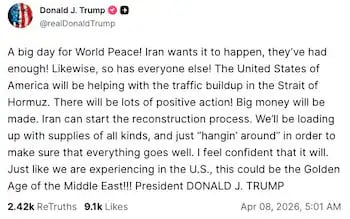
A temporary ceasefire between the United States and Iran has brought short-term relief to tensions in the Middle East, but the situation remains volatile—especially in Lebanon, where Israel continues military strikes.
The agreement, initially set for two weeks, was reached at the last minute and includes a halt to direct hostilities between the U.S. and Iran, along with the reopening of the strategic Strait of Hormuz, a key route for global oil shipments.
Despite the truce, both former President Donald Trump and Iranian officials have declared victory. Trump stated that U.S. military objectives were fully achieved, while Iran claimed it successfully imposed its conditions during negotiations.
However, the main flashpoint has shifted to Lebanon. Israel has made it clear that the ceasefire does not apply to its conflict with Hezbollah and continues to carry out airstrikes in the region, contributing to significant casualties and widespread displacement.
Experts warn that the ceasefire is fragile and does not address deeper issues, including Iran’s nuclear program and ongoing proxy conflicts across the region. Further negotiations are expected in the coming days, potentially involving international mediators.
📌 Context and Impact
While the ceasefire reduces the immediate risk of a broader war, continued violence in Lebanon highlights how unstable the situation remains. Without a more comprehensive agreement, tensions could escalate again at any moment.
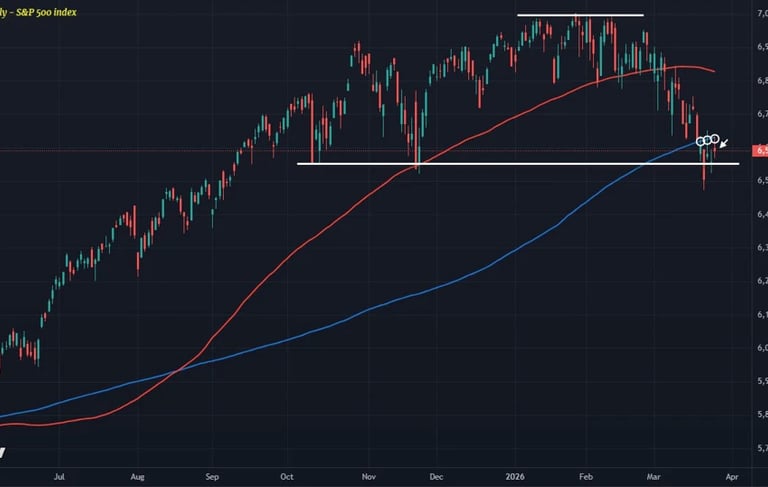
Energy markets across Europe reacted quickly on April 8, 2026, after Donald Trump announced a ceasefire between the United States and Iran, triggering a noticeable drop in both gas and oil prices.
The agreement helped ease immediate concerns over potential supply disruptions in the Middle East—particularly around the Strait of Hormuz, one of the world’s most critical oil transit routes. As tensions temporarily declined, investor confidence improved, leading to a sharp correction in energy prices.
Brent crude oil prices fell shortly after the announcement, while European natural gas futures also declined as traders anticipated more stable supply conditions in the short term.
It is worth noting that some circulating charts online reference data from 2025, which may not reflect the immediate market reaction to this latest development. Current price movements are based on real-time trading following the ceasefire announcement.
Market analysts say the rapid response highlights how strongly global energy prices are influenced by geopolitical tensions, especially in regions responsible for a significant portion of global oil production.
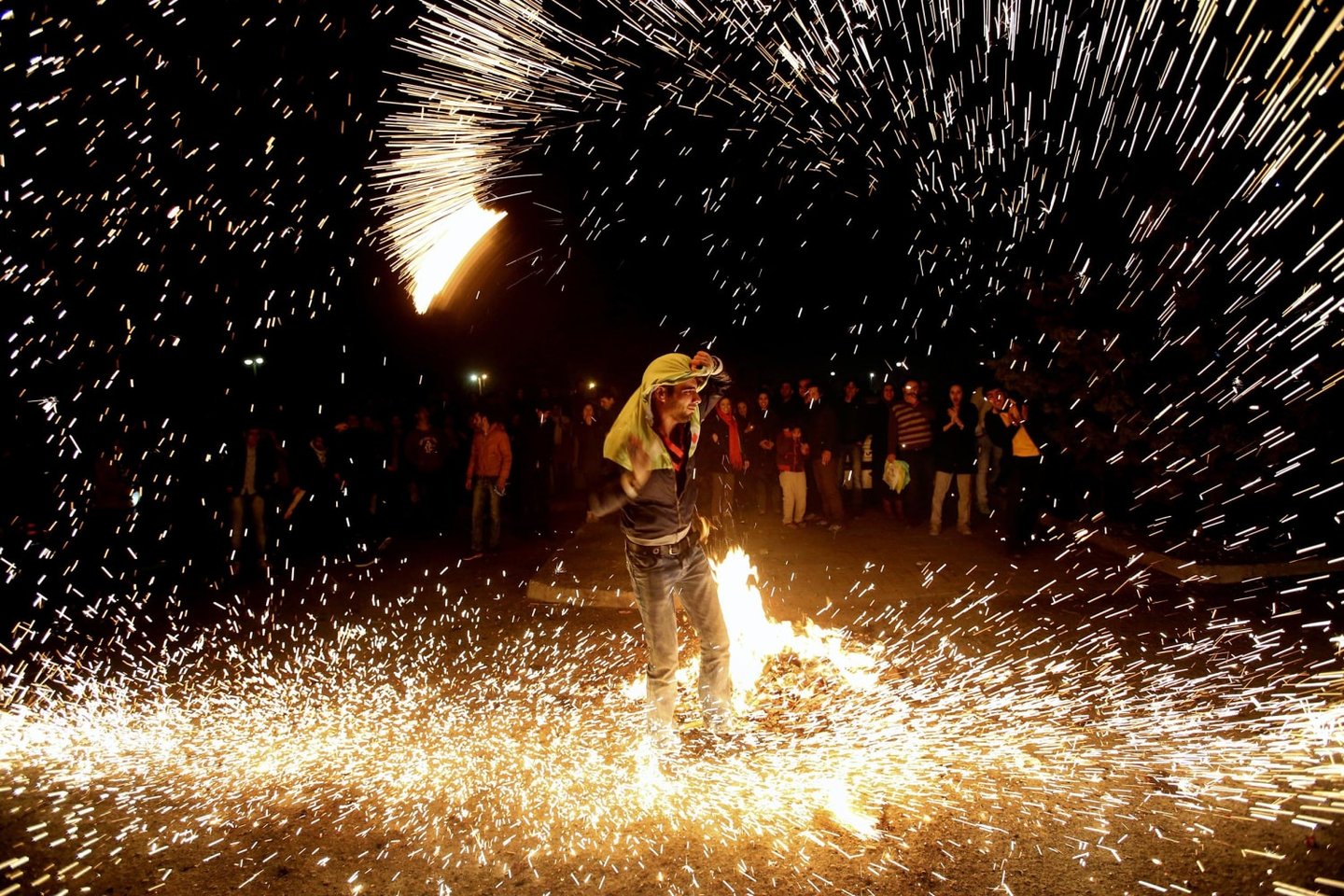
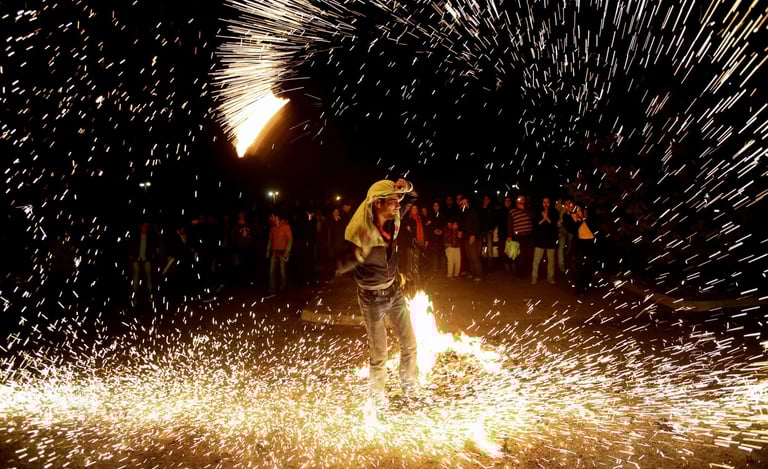
📰 Thousands of Iranians Take to the Streets to Celebrate Ceasefire Pause
Large crowds gathered across Iran to celebrate the temporary ceasefire, reflecting public relief after days of rising tensions and uncertainty.
Thousands of people across Iran poured into the streets following the announcement of a temporary ceasefire, celebrating what many see as a moment of relief after a period of escalating conflict.
In major cities like Tehran, crowds waved flags, gathered in public squares, and expressed optimism that the pause in hostilities could lead to a longer-lasting peace. Videos shared online show scenes of cheering, honking cars, and nighttime celebrations.
The ceasefire, announced after intense diplomatic pressure, has temporarily reduced fears of a wider regional war. For many Iranians, the celebrations reflect not only political sentiment but also a deep desire for stability after years of economic hardship and geopolitical tension.
However, analysts warn that the situation remains fragile. With ongoing conflicts involving regional actors and unresolved issues, the ceasefire may only be a short-term break rather than a permanent solution.
📌 Context and Impact
Public celebrations highlight how strongly ordinary citizens are affected by geopolitical conflicts. While the ceasefire has brought temporary hope, uncertainty still looms over what comes next in the region.